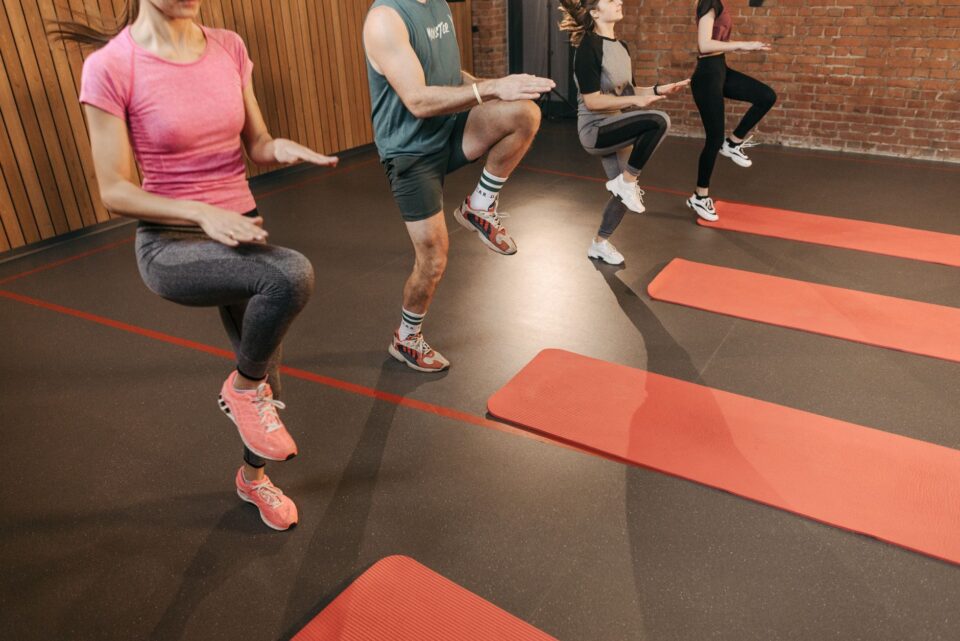
Yes, 1 minute exercises can be effective when you either do a single 60‑second burst at a challenging pace several times a day, or follow the classic 10‑minute routine that includes three 20‑second high‑effort intervals. When time is tight, you still have options.
Below you’ll find beginner and advanced options, a quick selector to pick the right move for your space and fitness level, and simple progressions so you know exactly how to start and improve safely.
The fastest answer: how to use 1 minute exercises right now
There are two practical ways people use short bursts:
- Literal 60‑second micro‑bursts: Pick one move and go at a challenging but controlled effort for 60 seconds. Repeat this micro‑bout 3–8 times across the day whenever a break appears.
- The classic 10‑minute session: Warm up 2–3 minutes, do three 20‑second hard efforts with easy recoveries in between (that’s your “one minute” of high effort total), then cool down 2–3 minutes.
Quick selector (pick your path):
- Brand‑new or returning after a long break: Choose low‑impact, steady options like marching in place, sit‑to‑stand, or wall push‑ups.
- Small or quiet space: Favor marching high knees, shadow boxing, quick step‑touch, or fast heel raises.
- Cardio focus: High knees, fast stair steps, jumping jacks, shadow boxing, or bike sprints.
- Strength focus: Squats, push‑ups, split squats, glute bridges, chair dips.
- Apartment‑friendly: Step‑touch with arms, low‑impact jacks, speed shadow boxing, slow‑controlled squats.
How often? Try sprinkling 3–5 micro‑bouts through a busy day, or do the 10‑minute session 2–3 times per week. This is guidance, not a prescription—match frequency to how you feel and your schedule.
Warm‑up shortcut: 30–60 seconds of joint circles (neck, shoulders, hips, ankles), then 30–60 seconds of easy marching in place. If you’re doing the 10‑minute session, extend to a 2–3 minute warm‑up. For more gentle mobility ideas, see the Morning Mobility Routine for Busy Mornings.
Caution notes: If you’re new or coming back after a layoff, avoid all‑out efforts. Use moderate intensity and progress gradually. Stop any move that causes sharp discomfort, and choose a lower‑impact swap. If you have specific health considerations, check in with a qualified professional who knows your history.
1 minute exercises you can do anywhere (beginner to advanced)
Beginner, low‑impact choices
- Sit‑to‑stand from a chair: Stand up and sit down smoothly, reach arms forward for balance if needed. Aim for an even tempo. Make it easier with a higher chair; harder by doing a 2‑second pause at the bottom.
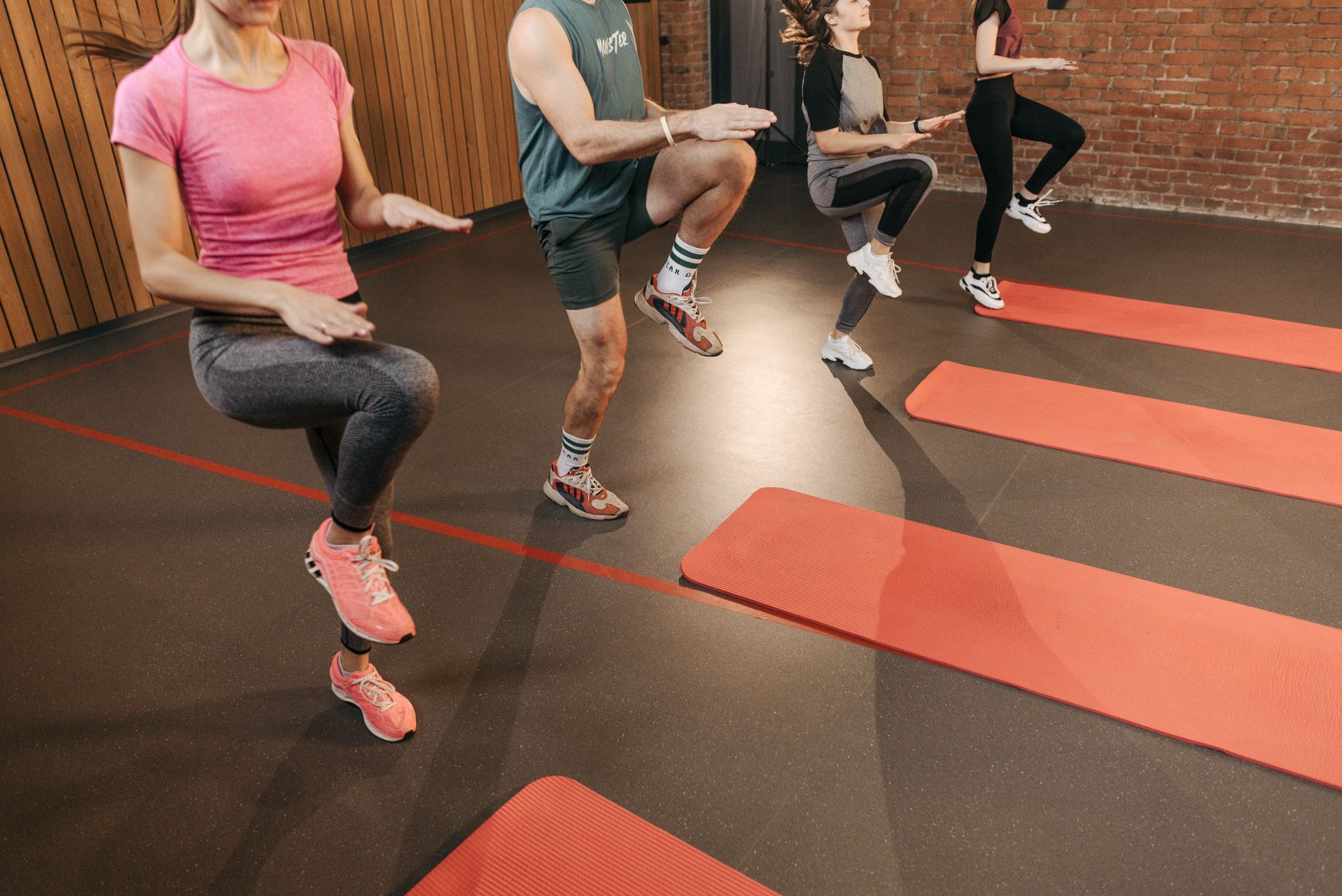
- Marching in place: Lift knees to hip height if comfortable, pump arms. Keep posture tall. Quiet‑friendly and joint‑friendly.
- Wall push‑ups: Hands on wall at chest height, body straight. Step feet back to increase challenge, forward to reduce.
- Step‑touch with arms: Step side to side while sweeping arms overhead or across. Increase range or speed to crank up intensity without impact.
Moderate options
- Fast bodyweight squats: Sit back, knees track over toes, chest tall. Aim for smooth reps at a steady cadence.
- High knees, low‑impact: Drive knees up quickly but land softly and keep one foot in contact at a time to reduce noise.
- Shadow boxing: Jab‑cross‑hook combinations at a brisk pace. Keep your core engaged and fists up.
- Incline push‑ups: Hands on a sturdy counter or bench. Lower with control, press up strong. Step feet back to increase load.
Advanced choices
- Jumping jacks: Land softly and keep knees aligned. Swap to low‑impact jacks if neighbors or knees object.
- Mountain climbers: Hands under shoulders, core braced, drive knees toward chest rapidly. Slow to a steady pace if form slips.
- Burpees or squat‑thrusts: Step back instead of jumping to reduce impact. Focus on crisp body lines rather than racing the clock.
- Split‑switch lunges: Alternating lunges with a quick switch. Keep torso upright and land quietly.
Quiet/apartment‑friendly swaps
- Instead of jumping jacks → low‑impact jacks (step one foot out at a time while raising arms).
- Instead of burpees → squat to plank step‑back + stand.
- Instead of high knees running → marching high knees with a fast arm drive.
- Instead of mountain climbers → standing knee drives against a wall or countertop.
Form reminder: match pace to control. If you can’t keep good posture or land softly for the entire minute, slow down or choose the lower‑impact version.
Comparison and selection table
| Goal | Space/noise | Impact level | Equipment | Example 60‑second exercise(s) | Intensity target | Progression |
|---|---|---|---|---|---|---|
| Quick energy boost | Tiny, quiet | Low | None | Marching high knees, step‑touch with arms | RPE 6–7; can speak 3–4 words | Add arm reach overhead; increase pace 5–10% |
| Cardio focus | Normal | Moderate | None | Jumping jacks, shadow boxing, fast squats | RPE 7–8; breathless, short phrases | Count reps and beat last session by 2–5 |
| Strength emphasis | Normal | Low to mod | Chair/bench | Squats, incline push‑ups, split squats | RPE 6–7; strong burn but steady form | Slow 3‑sec lowering; add a pause; increase range |
| Office‑friendly | Tiny, quiet | Low | Sturdy desk/wall | Wall push‑ups, calf raises, standing knee drives | RPE 5–6; can talk in short sentences | Add reps or time under tension; shorten rest |
| Stairs available | Normal | Mod to high | Staircase | Fast stair steps up/down | RPE 7–8; breathing heavy | Add one more flight; push last 10 seconds |
| Bike available | Normal | Low impact | Stationary bike | Hard spin for 20‑second repeats | RPE 8; legs burning | Increase cadence or resistance slightly |
The classic 10‑minute “one‑minute” workout, explained
This routine became popular because it’s simple and measurable. Here’s a clear, beginner‑friendly version:
- Warm‑up 2–3 minutes: easy cycling, marching in place, or step‑touch with big arm swings.
- Main set: three rounds of 20 seconds hard + 1–2 minutes easy. Hard means RPE 8/10: breathing hard, can only speak 1–3 words; form stays solid.
- Cool‑down 2–3 minutes: gentle movement and slow breaths. Add easy stretches if you like; this flexibility and mobility guide offers ideas.
Modalities that work well:
- Stationary bike: smooth resistance changes, low impact.
- Brisk stair bursts: up fast, down carefully; use a handrail.
- Running‑in‑place or bodyweight options: high knees, shadow boxing, or fast squats for the 20‑second efforts.
How to pace intensity:
- Talk test: during the 20‑second push, you should struggle to say a short phrase; during easy minutes, conversation comes back.
- RPE scale (1–10): aim for 8 on the pushes and 3–4 on the easy minutes.
- Beginners can start at RPE 6–7 for the pushes and extend recoveries.
Timing tips: Use a simple interval timer app or a kitchen timer. On a bike, watch cadence; on the floor, count reps during the 20‑second bursts and note the number for tracking.
Progress in numbers: a 4‑week micro‑plan
Keep progress simple and specific. Pick your path—micro‑bursts across the day or the 10‑minute session—and use numbers to guide effort.
- Week 1: Learn your baseline. Do 3–4 days of 60‑second bouts, RPE 6–7. Or do two 10‑minute sessions with the 3 × 20‑second pushes at RPE 6–7. Write down reps, cadence, or stairs climbed.
- Week 2: Add a little. Micro‑bursts: add one extra bout on two days, or add 5 seconds to the last 10 seconds of effort. 10‑minute plan: keep the same structure but nudge the pushes to RPE 7–8.
- Week 3: Increase quality. Micro‑bursts: maintain the number of bouts but aim for 2–3 more reps in your minute or a slightly faster cadence. 10‑minute plan: keep pushes at RPE 7–8 and trim recovery by 10–15 seconds if you feel good.
- Week 4: Consolidate. Keep volume steady; focus on better form and quieter landings. If everything feels solid, add a fourth 20‑second push once this week or add one extra micro‑bout on two days.
Hold steady vs. progress: If you’re tired, sleep‑deprived, or your form starts to wobble, hold your current level for another week or reduce the number of bouts. Small, consistent steps beat big heroic jumps.
Tracking ideas: count squats, push‑ups, or punches; note stair steps or flights; record bike cadence; jot down your RPE after each burst or session. If you like structure, this simple weekly tracker helps:
| Day | Slot 1 | Slot 2 | Slot 3 | Slot 4 | Slot 5 | Reps/Steps | RPE |
|---|---|---|---|---|---|---|---|
| Mon | [ ] | [ ] | [ ] | [ ] | [ ] | ______ | __ |
| Tue | [ ] | [ ] | [ ] | [ ] | [ ] | ______ | __ |
| Wed | [ ] | [ ] | [ ] | [ ] | [ ] | ______ | __ |
| Thu | [ ] | [ ] | [ ] | [ ] | [ ] | ______ | __ |
| Fri | [ ] | [ ] | [ ] | [ ] | [ ] | ______ | __ |
| Sat | [ ] | [ ] | [ ] | [ ] | [ ] | ______ | __ |
| Sun | [ ] | [ ] | [ ] | [ ] | [ ] | ______ | __ |
If you prefer a short at‑home plan with a bit more structure, this article on Home Sweet Home Workouts pairs well with the micro‑burst approach. And if habit‑building is the challenge, use the site’s guide to habit stacking to tack your minute onto routines you already do.
Form tips and common mistakes to avoid
- Going too hard, too soon: Leave a notch in the tank, especially in week 1–2. Breathless is fine; wobbling and sloppy landings are not.
- Skipping warm‑up: Even for a single minute, take 30–60 seconds to prep joints and posture.
- Poor landing mechanics: For any impact move, land softly on mid‑foot, bend knees and hips, and keep knees tracking over toes.
- Holding your breath: Exhale on effort, inhale on the reset. For boxing or climbers, use a natural rhythm to breathe.
- Posture cues: In squats, keep chest tall and sit back; in push‑ups, keep a straight line from head to heels; in jacks, ribs down and core engaged so arms move freely.
- Noise/impact control: Use rugs or mats, choose low‑impact swaps, and focus on quiet footfalls. Clear a small area before you start.
Plug‑and‑play micro‑plans for real life
Desk‑day energizers
Spread these across the day. Each bout takes 60 seconds.
- Set 1: Marching high knees 30 seconds, wall push‑ups 30 seconds.
- Set 2 (later): Step‑touch with big arm sweeps for 60 seconds.
- Set 3 (later): Shadow boxing 60 seconds. Optional bonus: 20 seconds faster at the end.
At‑home circuit (5–10 minutes)
Rotate through 60‑second blocks with 30–60 seconds easy walking between moves:
- Round 1: Squats
- Round 2: Incline push‑ups
- Round 3: High knees (low‑impact or marching)
- Round 4: Glute bridge (optional add‑on)
- Finish: 2–3 minutes easy walk + a few stretches. For stretch ideas, visit Stretch Your Way to Flexibility & Mobility.
Goal‑based mixes
- Cardio emphasis: 60 seconds of jacks or stair bursts, 60 seconds of shadow boxing, 60 seconds of high knees. Repeat once if you have time.
- Strength emphasis: 60 seconds squats, 60 seconds incline push‑ups, 60 seconds split squats. Repeat once if desired.
- Quiet‑friendly: 60 seconds step‑touch with overhead reach, 60 seconds wall push‑ups, 60 seconds slow‑tempo squats (3 seconds down, 1 up).
Hydration, sleep, and food choices influence how these short sessions feel. If you want a refresher on hydration basics, see Unlock the Benefits of Hydration.
FAQs about 1 minute exercises
Are 1‑minute workouts effective?
They can be. A single minute done at a purposeful pace is enough to raise heart rate, wake up muscles, and refresh focus. When you stack several micro‑bouts per day or follow the 10‑minute session with three 20‑second pushes, the cumulative effect can support cardio fitness and strength over time.
What are the best 1 minute exercises for beginners at home?
Start with sit‑to‑stand, marching in place, wall push‑ups, step‑touch with arms, and calf raises. Keep impact low, posture tall, and use the talk test to keep intensity moderate. Progress by adding range, slowing the lowering phase, or adding one or two more reps each week.
How many times a day should I do 1‑minute exercises?
Many people find 3–5 micro‑bouts fit easily into a busy day. You can also do one 10‑minute session 2–3 times per week. Adjust up or down based on energy, stress, and how your body feels.
Do I need to warm up for a single minute of exercise?
A short prep helps. Spend 30–60 seconds with joint circles and easy marching, especially if you’ve been sitting. If you’re doing the 10‑minute session, use a 2–3 minute warm‑up and 2–3 minute cool‑down.
Can 1 minute exercises help with weight loss?
Short bouts can contribute to overall energy burn and help you move more consistently, which may support weight management when paired with nutrition and sleep habits. Think of them as a helpful nudge, not a stand‑alone solution.
Can short bursts replace longer cardio sessions?
Short bursts are a useful tool, especially for busy days. For many people, a mix of brief sessions and occasional longer workouts works best. If you prefer longer sessions, keep them; if you’re pressed for time, use micro‑bursts and the 10‑minute template to stay consistent.
Finally, if fatigue is your barrier, this piece on gaining motivation when you’re tired pairs well with the minute‑at‑a‑time approach.