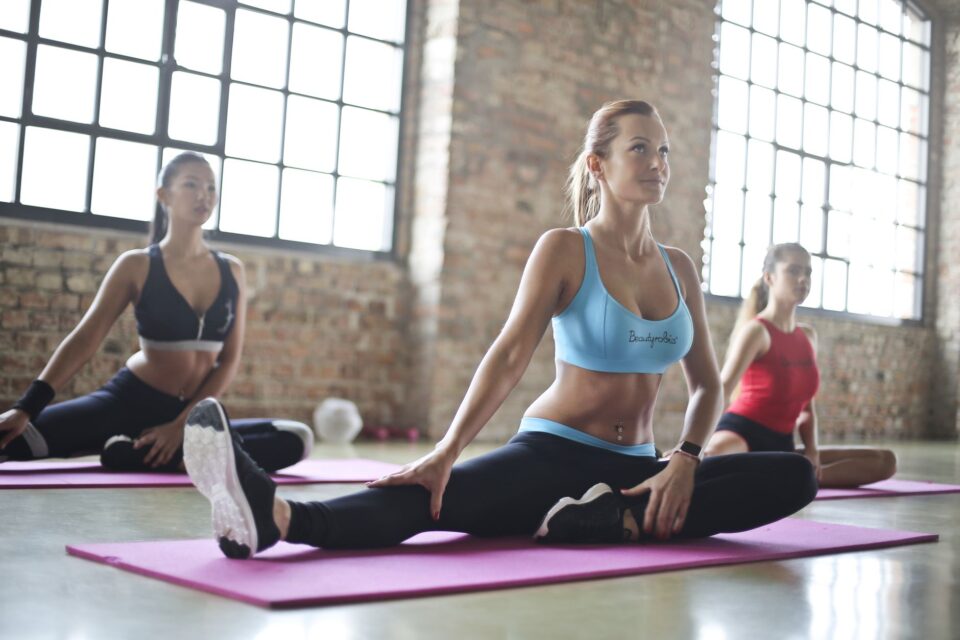
If you’ve been wanting a calm, sustainable way to feel better in your body, a mindful movement routine can help you start where you are and progress at a steady pace. The phrase mindful movement routine simply means a short, consistent block of time where you move with attention to breath, posture, and how each position feels, rather than rushing through reps. This guide shows you how to design a routine that fits into real life—no special studio, no pressure to perform—so you can build comfort, mobility, and steady energy over time.
What mindful movement is—and why it matters
Mindful movement is a simple idea: you bring full attention to the way you breathe, stand, sit, and shift your weight while you move through a planned sequence. It’s not a competition and it’s not about chasing numbers. Instead, you use deliberate pacing, clear breath, and easy checkpoints to notice how your body responds. Over time, that awareness often pairs with smoother posture, easier transitions, and a calmer mood after practice.
Unlike high-intensity sessions that can be hard to repeat daily, this approach favors consistency. A small window—say 10 to 25 minutes—can feel doable even on busy days. That regularity is the quiet engine of change: joints feel less stiff after long sits, balance feels steadier on stairs, and tasks like carrying groceries or playing on the floor with kids feel more natural. Mindful movement becomes a foundation under whatever else you enjoy: walking, lifting, cycling, gardening, or simply navigating the day with less tension and more ease.
Think of it like learning a language. At first you practice the alphabet—breath, alignment, and a few basic shapes. Then you put short phrases together—gentle flows that link a hip hinge to a supported lunge to a soft twist. With repetition, your body “speaks” that language more fluently. You recognize subtle cues earlier, adjust before tension builds, and choose options that match your energy today.
Setting up your space: simple, quiet, and ready when you are
Your space doesn’t have to be perfect to work. It just needs to be inviting enough that you want to step onto it most days. A few small choices make daily practice easier:
- Pick a consistent spot. A corner of your living room, beside the bed, or near a window. Consistency lowers friction and helps your brain connect the location with your practice.
- Use a mat or soft rug. A non‑slip surface supports confidence in standing positions and cushions your knees in kneeling shapes.
- Light matters. Softer light in the morning or evening can encourage calmer pacing. If possible, reduce distractions by silencing notifications and turning off the TV.
- Gather a few tools. A folded towel, a pillow, or sturdy books can work like blocks to bring the floor “closer” to you. A chair provides reliable support for balance and strength work.
- Choose neutral music—or silence. Some people focus better without music. Others like gentle, lyric‑light playlists. Either way, the soundtrack should support attention, not steal it.
Finally, decide on a simple signal that says it’s time to begin: placing the mat, filling a water bottle, or opening a timer. Mini rituals make it easier to shift from thinking all day to feeling your movement.
mindful movement routine basics: principles that guide every session
Before you try a full flow, keep a few principles nearby. They are the guardrails that make your routine feel clear and repeatable:
- Slow is smooth; smooth is dependable. Move a little slower than you think you need. That pace helps you sense what’s happening and choose a range that feels supportive.
- Breath is the metronome. Tie movements to inhales and exhales. If you lose the rhythm, pause, reset, and shorten the range of motion until the breath guides you again.
- Use options, not force. If a shape feels intense, reduce the angle, add support, or switch to a similar option that keeps the same intention without strain.
- Notice the “after.” Between movements, take a second to feel what changed—warmth, softness in the shoulders, or a sense of length along the spine. That feedback is valuable.
- Consistency beats intensity. Five days of 15 minutes often does more for comfort and confidence than one long session that leaves you drained.
Your mindful movement routine: a 20-minute starter flow
Below is a balanced flow you can follow most days. It blends breath, joint mobility, light strength, balance, and a brief cool‑down. Use a chair or wall as needed for support. Aim for a relaxed pace: about four to six breaths per movement. If you have specific concerns or recent injuries, connect with a qualified professional for personal guidance.
1) Arrive and breathe (2 minutes)
- Position: Stand tall with feet hip‑width apart. Soften knees. Place one hand on your belly and one on your chest.
- Breath cue: Inhale through the nose to feel the belly expand into your hand. Exhale gently through the nose, letting the ribs move down and in. No forcing—just steady rhythm.
- Focus: Notice where you hold tension (jaw, shoulders). On each exhale, invite a little softness there.
2) Neck, shoulders, and spine wake‑up (3 minutes)
- Neck nods and turns: Small nods yes, small turns no. Keep the range easy and the jaw relaxed.
- Shoulder rolls: Roll up, back, and down for 5–8 cycles. Feel the collarbones broaden.
- Standing cat‑cow: Hands on thighs, hinge slightly at hips. Inhale to lengthen the spine, tailbone back, chest forward. Exhale to round gently, head heavy.
3) Hip hinge to supported lunge (4 minutes)
- Hip hinge: Feet hip‑width, slight bend in the knees. Inhale tall; exhale to hinge from the hips, spine long, hands sliding down thighs. Inhale to stand. Repeat 6–8 times.
- Supported lunge: Step the right foot back, heel lifted. Hands on a chair or wall for balance. Inhale to grow tall; exhale to lower slightly, keeping the front knee aligned with toes. Take 4–5 breaths. Switch sides.
- Checkpoints: You should feel work in glutes and thighs, not pressure in the low back.
4) Flowing balance: heel‑to‑toe and single‑leg stance (3 minutes)
- Heel‑to‑toe line: Stand with one foot directly in front of the other like walking a line. Soften the knees and hold a chair lightly. Breathe for 4–5 cycles, then switch.
- Single‑leg stance: Shift weight to the left foot and lift the right foot slightly off the floor. Keep hips level. Take 3–4 breaths, then switch. If needed, tap the lifted foot down between breaths.
- Option: Add tiny head turns or gentle arm reaches to challenge balance while staying relaxed.
5) Gentle floor series (5 minutes)
- All‑fours rock backs: Hands under shoulders, knees under hips. Inhale to lengthen; exhale to sit your hips back toward the heels, keeping the spine long. Repeat 6–8 times.
- Thread the needle: From all‑fours, inhale to reach the right arm up; exhale to slide it under the left arm, shoulder and head toward the floor as comfortable. Take 3–4 breaths. Repeat other side.
- Bridge: Lie on your back, knees bent, feet flat. Exhale to press through feet and lift hips slightly, keeping ribs settled. Inhale to lower slowly. Repeat 8–10 times with smooth breath.
6) Cool‑down and reset (3 minutes)
- Figure‑four option (seated or lying): Cross ankle over opposite knee. Keep the crossed foot flexed. Breathe into a sense of space around the hip. Switch sides.
- Supine twist: Knees together, drop to one side, arms wide. Breathe gently for 3–5 cycles. Switch sides.
- Rest: Lie comfortably, one hand on the belly, one on the chest. Notice your breath settle.
End by sitting or standing quietly for a few breaths, noticing any changes in warmth, ease, or steadiness. That “after” feeling is part of your progress.
Quick variants: 5-, 10-, and 25-minute options
Some days you have less time, other days you want more. Keep these time‑based templates handy so your practice stays flexible without feeling random.
Five‑minute reset
- Standing breath check (60 seconds)
- Shoulder rolls + standing cat‑cow (90 seconds)
- Hip hinges (60 seconds)
- Single‑leg stance near a wall (60 seconds total, 30 each side)
- Quiet stand or seated rest (30 seconds)
Ten‑minute tune‑up
- Arrive and breathe (60–90 seconds)
- Neck + shoulders + standing cat‑cow (2 minutes)
- Hip hinge to supported lunge (4 minutes)
- Single‑leg stance with tiny head turns (90 seconds)
- Short cool‑down (one lying twist and a brief rest, 60–90 seconds)
Twenty‑five‑minute full session
- Follow the 20‑minute starter flow, then add:
- Extra balance play: heel‑to‑toe line with slow arm sweeps (2 minutes)
- Bridge holds with 2–3 second pauses (2 minutes)
- Extended rest: simple breath awareness (1–2 minutes)
These presets make it easy to show up even when the day shifts. The goal is not to “do everything,” but to keep the thread of attention alive.
Breath and alignment: simple cues you can feel
Breath and alignment are your on‑board organizers. You don’t need complicated techniques to benefit—just a few reliable cues that help the body feel organized and calm.
- Inhale to lengthen. Many people find an inhale supports the idea of growing tall—length through the spine, broad collarbones, and an open front of the hips without forcing.
- Exhale to gather. Use the exhale to “gather” support—gentle abdominal engagement, ribs settling, shoulders softening. This makes lowering into a lunge or returning from a hinge feel steadier.
- Nose breathing when possible. It often encourages an even, quiet rhythm. If nasal breathing feels stuffy, try relaxed mouth exhales without pushing.
- Match range to breath. If you run out of air before you finish a movement, shorten the range or slow down. Let breath set the tempo.
For alignment, think in simple landmarks you can feel without mirrors:
- Feet: Think “tripod”—big toe mound, little toe mound, and heel connected to the floor. Spread toes easily rather than gripping.
- Knees: Point in the same general direction as the toes, especially in lunges and squats. If a knee feels wobbly, reduce the range and use a chair for balance.
- Hips: Imagine the pelvis like a bowl. Tipping it far forward or back can feel tense. Aim for “bowl upright” most of the time, then explore small tilts as options, not as strain.
- Ribs and shoulders: Let ribs settle over the pelvis and allow shoulders to soften down the back. If shoulders creep up, exhale and lower the arms until they feel light.
- Head and neck: Gaze softly forward or slightly down to keep the back of the neck long. If your jaw clenches, unclench the teeth and place the tongue gently on the roof of the mouth.
These cues are starting points. Over time, you’ll refine them for your build, history, and daily energy. If any position causes sharp discomfort, back out, choose a smaller range, or switch to a different option that feels steady and calm.
Options and progressions: tailor the routine to your body
Your routine should meet you where you are and grow with you. Use the modifications below to scale intensity up or down. The goal is not to do the “hardest” version; it’s to select the version that lets you move with attention and ease.
Scale down without losing intention
- Chair support: Place one hand on a chair or wall during hinges, lunges, and balance work. Stable support frees attention for breath and alignment.
- Reduce angles: Smaller knee bend, a shorter lunge stance, or a gentler bridge lift can make positions feel more approachable.
- Time instead of reps: Rather than counting, use a timer for 30–45 seconds of smooth cycles. Stop a few seconds early if quality drops.
- More floor time: If standing work feels overwhelming, do a larger share of your session on the floor (rock backs, bridges, and gentle twists).
Scale up while keeping quality
- Pause holds: Add a 2–3 second pause at the most challenging point of a hinge or lunge while keeping breath steady.
- Unstable surface: Stand on a folded towel for balance drills to add variety to foot and ankle work.
- Add light load: Hold a small water bottle or light dumbbell during bridges or hinges, as long as posture stays smooth.
- Longer exhale focus: Quietly emphasize the exhale phase for a few cycles during bridges or hinges to feel more support.
Progress happens when movement quality stays high while you gently add challenge. If you notice holding your breath or clenching your jaw, dial it back and rebuild from smoothness.
Scheduling, habit stacking, and desk‑day micro‑breaks
The best routine is the one you repeat. Use these practical strategies to help your mindful movement slot into your day, including brief resets for long desk hours.
- Pair it with a stable anchor. Place your session right after something you already do: brushing teeth, making coffee, or returning from a walk. “After coffee, I do 15 minutes on the mat.”
- Set a tiny minimum. Promise yourself 5 minutes. Most days you’ll keep going, but even 5 minutes counts and preserves your streak.
- Use visible cues. Leave the mat out or keep a small basket with your towel and timer in the practice corner. Reduce setup steps.
- Track like a scientist, not a judge. A simple calendar checkmark or notes app line—“Mon: 20 min, felt steady”—is enough. Data over drama.
- Micro‑breaks for desk days. Every 45–60 minutes, stand up for 60–90 seconds: 6 hip hinges, 4 shoulder rolls, 2 easy heel‑to‑toe balance lines. Finish with one slow inhale and exhale.
- Walking meetings. If possible, take short calls while walking. Bring awareness to your stride: roll through the foot, swing arms loosely, keep shoulders easy.
If you like reading more wellness ideas and simple routines, you can browse the Life With C wellness archive for inspiration and friendly reminders to keep things simple. An internal library of ideas can make your practice feel fresh even when life gets busy.
Recovery and supportive self‑care
What you do outside the routine shapes how the routine feels. Think of recovery as the quiet partner to your movement practice:
- Gentle walks. Easy walking on rest days helps circulation, clears the head, and can make the next session feel smoother.
- Simple hydration and meals. A glass of water nearby and balanced meals help energy stay steadier. No rigid rules—aim for foods that leave you feeling light and satisfied.
- Sleep rituals. A wind‑down rhythm (dim lights, screens off, light reading) can make morning sessions more inviting and evening sessions more calming.
- Self‑massage options. A tennis ball against the wall for calves or upper back can feel soothing. Use light pressure and breathe.
- Mindful pauses. Two minutes of quiet sitting during the day can reset your nervous system so your next session starts from calm instead of rush.
Recovery isn’t a separate project—it’s interwoven, and it looks different for each person. The goal is an environment where your body feels ready to move most days without forcing it.
How to measure progress without chasing numbers
Numbers can be helpful, but mindful movement shines when you notice qualitative shifts. Try these lenses for tracking change over weeks and months:
- Consistency: How many days did you show up for at least 5–20 minutes last week? Streaks reveal what’s working in your schedule.
- Ease after practice: Do you feel warmer, calmer, or more coordinated afterward? A single sentence in a journal captures this well.
- Posture and daily tasks: Do stairs feel steadier? Does sitting at your desk feel more natural? Small lifestyle wins are meaningful signs.
- Breath rhythm: Is your breath smoother during movements that used to feel choppy? That’s real progress.
- Options you choose: Are you reaching for slightly deeper bends or longer holds while staying relaxed? That’s a sign capacity is growing.
Every few months, refresh the routine: add a new balance variation, extend the cool‑down, or swap one floor movement for another that you enjoy. Progress is a conversation with your body, not a race.
Common obstacles—and friendly ways around them
Even the best plan meets real‑life bumps. Here are frequent roadblocks and practical ways around them:
- “I don’t have time.” Try 5 minutes immediately after coffee or before a shower. Keep the mat out. Use arrival breath, hip hinges, and a short balance hold. Done.
- “I lose momentum after a busy week.” Frame the next session as a “first day back” template: breath, gentle spine flow, two rounds of supported lunges, and a 60‑second rest. End with a small win.
- “Balance work makes me tense.” Move next to a wall, soften the knees, and make the stance narrower. Your job is to keep the breath smooth; the wall handles stability.
- “My back feels cranky after desks and driving.” Emphasize hip‑hinge practice with a small range, plus all‑fours rock backs. Breathe steadily and keep sessions short but frequent.
- “I get bored.” Rotate focus days: mobility Monday (more rock backs), strength Wednesday (longer bridge holds), balance Friday (extra single‑leg practice with support). Keep the total time similar.
- “I travel a lot.” Use hotel‑room versions: towel instead of a mat, suitcase handle for support, five‑minute reset morning and evening.
When life gets messy, shrink the session and repeat your favorite two or three moves. The point is to keep the habit alive in a form that feels kind.
Frequently asked questions
How many days per week should I practice?
Three to five days tends to feel realistic for most people. If your schedule is tight, aim for five‑minute mini‑sessions on busy days and one or two longer sessions when time allows. Small steps add up.
Is this the same as yoga, Pilates, or physical therapy?
Mindful movement borrows ideas—like breath cues and alignment—from many traditions, but it isn’t tied to one system. It’s a simple daily practice focused on attention, comfort, and steady progress. If you’re working with a professional in any discipline, ask how to adapt this routine to complement your current plan.
What if I struggle with motivation?
Reduce friction. Keep your mat visible, pair practice with a daily anchor, and set a tiny minimum of five minutes. Many people find that once they start, momentum carries them into a full session.
Can I use this routine alongside strength training or running?
Yes. Many people use mindful movement as a warm‑up or cool‑down, or on days between heavier sessions. The breath and alignment focus can make other activities feel more coordinated.
How do I know I’m progressing?
Look for smoother breath during movements, easier balance with light support, and daily tasks that feel steadier. Consistency and calm focus are strong indicators that your capacity is growing.
When you design your routine around attention and kindness, it becomes a part of daily life—something you look forward to, not another item on a checklist. Start with the 20‑minute flow, adapt it to your needs, and let your practice evolve at the pace of your life.