If you’ve ever stood over an open suitcase wondering what to leave behind, this guide is for you. A reliable carry-on packing list cuts the decision fatigue, protects your budget from checked-bag fees, and keeps you nimble in transit. Below is a complete, field-tested system you can adapt to any destination, climate, or trip length—so you arrive ready, not overloaded. For more trip-planning ideas and destination stories, explore the travel hub at Life With C.
Why carry-on only changes the way you travel
Carrying everything you need in one compact bag is more than a trend. It’s a practical strategy that reduces stress and increases freedom. You skip check-in counters, avoid baggage claim delays, and move faster when plans change. You can switch trains without detouring for a stored suitcase, walk cobblestone streets without dragging wheels, and fit everything into the overhead bin even on smaller aircraft. It also forces better choices. When space is limited, you bring the clothes you actually wear, the tech you actually use, and the toiletries you’ll actually reach for. The result is a tighter set of belongings that supports how you travel instead of slowing you down.
Airline allowances do vary, so make sure your bag fits typical carry-on dimensions: in many regions around 22 × 14 × 9 inches (56 × 36 × 23 cm) including handles and wheels, and a personal item that fits under the seat. Some budget carriers are stricter, especially in Europe, so check your fare class details ahead of time. Soft-sided bags and flexible packing systems help you adjust to those differences without repacking your entire life at the airport.
The complete carry-on packing list for any trip
Think in categories. The master list below gives you a default load-out. You’ll tailor it by climate and activities, but the structure stays the same.
Documents and essentials
- Passport/ID, visas (if required), and entry forms printed or saved offline
- Payment: primary card, backup card, small amount of local cash
- Itinerary, reservations, and transit tickets saved offline
- Emergency contacts and accommodation address written on paper
- Pen for forms
Clothing core (mix-and-match)
- 2–3 tops in breathable, quick-drying fabrics
- 1–2 bottoms that dress up or down
- 1 light layer (cardigan, fleece, or thin sweater)
- 1 outer layer (packable rain jacket or windbreaker)
- 4–6 pairs underwear (washable in a sink, quick-dry preferred)
- 2–3 pairs socks (one pair wool or synthetic for cool days)
- Sleepwear that could double as lounge wear
- 1–2 optional pieces: a dressy top, casual dress, or athletic shorts depending on plans
Footwear
- Primary walking shoes (already broken in)
- Optional secondary pair (lightweight slip-ons or sandals)
- Flip-flops or shower shoes (very light; useful for beaches and hostels)
Toiletries (decanted and flight-friendly)
- Toothbrush, travel-size toothpaste, floss
- Solid bar soap or small body wash decant
- Travel-size shampoo/conditioner or a solid bar
- Deodorant (solid or mini roll-on)
- Face wash and moisturizer (decant into 10–15 mL jars)
- Sun care (stick or small tube), lip balm with SPF
- Hair ties, small comb/brush
- Personal care items as needed (nail clipper, cotton swabs)
- Small, well-labeled bag for liquids per local rules
Health and comfort
- Personal prescriptions and a list of generic names
- Compact first-aid basics (bandages, blister pads, antiseptic wipes)
- Earplugs and eye mask
- Collapsible water bottle
- Travel tissues and a tiny hand sanitizer
Tech and power
- Phone with eSIM or SIM card strategy
- Charger, USB-C or Lightning cable, and a spare
- Power bank within airline-allowed watt-hours
- Universal travel adapter with USB ports
- Headphones (wired backup if you use Bluetooth)
- Optional laptop or tablet + charger (only if you will use it)
Organization
- 2–3 packing cubes (one for tops, one for bottoms, one for underwear/socks)
- 1 small compressible laundry bag or plastic liner
- Zip-top bags for cords, snacks, and wet items
- Flat tote or packable day bag for grocery runs or beach days
Use this as your base. In the next sections you’ll scale up or down, swap fabrics for climate, and rearrange the weight so your bag feels balanced on the move.
How to size your wardrobe to trip length
The goal is a flexible uniform, not a different outfit for every day. A small set of well-chosen pieces can yield many combinations if colors and silhouettes play well together. A simple formula many travelers like is the 3-2-1 rule for a week: three tops, two bottoms, one outer layer. That’s nine outfits before accessories, more if you add a dress, lightweight shirt, or scarf. If you’ll do laundry every 3–4 days, you rarely need more than this.
For shorter trips (2–4 days), you can go to a 2-1-1 formula: two tops, one bottom, one light layer, plus underwear and socks for each day. For long trips (10–14 days or more), the trick is not to bring more; it’s to bring smarter. Choose quick-dry fabrics, plan a mid-trip wash, and make sure every top works with every bottom. Limiting the color palette to 2–3 tones makes everything compatible. Neutral shoes that fit both casual and slightly dressy contexts save space by replacing a second pair.
Before you pack, lay out outfits for your main scenarios: daytime exploring, dinners, transit days, and any special activities. Confirm each scenario has a workable combination without adding excess. Photograph those pairings on your phone; this becomes a visual guide that stops last-minute additions “just in case.”
Adjusting for climate and activities
Climate changes everything. For hot, humid destinations, think airy and light. Swap a sweater for a breathable long-sleeve sun shirt, choose linen or technical synthetics over heavy cotton, and bring a packable hat. Sandals that can handle long walks might replace a second pair of closed shoes. A compact, UPF-rated layer helps in intense sun, and a small microfiber towel is useful for beaches and boat rides.
For cool or variable weather, embrace layering. A thin base layer under a sweater adds warmth without bulk. A packable puffer or insulated vest can live in your personal item on cold flights and compress into a cube when you land. Gloves, a beanie, and warm socks weigh very little but make outdoor evenings comfortable. If rain is likely, a seam-sealed rain jacket beats an umbrella in wind. For snow destinations, coordinate with your accommodation to rent or borrow heavy gear; you rarely need to fly with bulky boots if your activities are short and urban. If you’ll be outdoors for several days, bring moisture-wicking layers and quick-dry underwear so you can wash overnight.
For special activities—wine tastings, religious sites, trail runs—check dress norms. A scarf, collared shirt, or modest top may be the difference between feeling out of place and fitting in. For trail days, pack running shorts or tights and a top you can rinse in the sink. For water sports, bring a compact swimsuit and rash guard. For fitness, choose pieces that look normal as streetwear (a matte legging, a structured hoodie) so you avoid single-purpose bulk.
Packing techniques that actually save space
Good packing is part art, part geometry. The goal is not to crush everything; it’s to give each category a predictable home so you can repack in minutes. Start by separating clothing into cubes by type: one for tops, one for bottoms, one for underwear/socks/sleepwear. Rolling works well for many items, but thin knits and structured shirts do better folded flat. If you use compression cubes, compress only soft items, not electronics or shoes. Shoes go heel-to-toe in a bag along the bottom or side; stuff them with socks to protect shape and use their interior volume.
Keep your heaviest items closest to the wheel side of a roller or the back panel of a backpack so the bag carries comfortably. Slide your rain jacket flat along the outside layer so it’s quick to reach. Cords live in a small zip-up pouch; a second identical pouch can hold sunglasses and small accessories. Your laundry bag starts empty at the bottom of the main compartment. As you travel, used clothes go there so clean items stay clean. This single habit removes the biggest packing frustration: the mid-trip explosion when dirty and clean mix.
If you’re new to minimal packing, weigh your bag at home. A digital luggage scale or bathroom scale tells you if you’re creeping over airline limits. Many travelers find 7–10 kg (15–22 lb) feels ideal. If your bag is heavier, identify the culprits: extra shoes, jeans, paper books, or a laptop you won’t use. Swap to lighter fabrics, pick a single pair of versatile shoes, and move heavy reading to an e-reader app. Keep refining until your bag feels effortless to lift into an overhead bin without help.
Security checkpoints, liquids, and what to expect
Knowing how security works keeps you calm and fast. In many countries, carry-on liquids must be in containers at or under 100 mL (3.4 oz) and fit in a small, transparent bag—often one liter total. In the United States, the “3-1-1” guideline applies in most situations. Solid toiletries (bar soap, bar shampoo) simplify everything. Keep the liquids bag and electronics near the top of your personal item so you can pull them out quickly if asked. Some airports use scanners that allow liquids and laptops to stay inside; others still ask you to separate them. Follow local staff instructions and be ready for both.
Power banks have airline rules too: they must be in your carry-on, not checked, and within a stated watt-hour limit (commonly up to 100 Wh without special approval on many carriers). If you’re unsure, check your device label and the airline website before you fly. Pocket knives or multi-tools with blades usually can’t go in your carry-on; leave those at home or choose a travel-friendly alternative. Refillable water bottles are fine once you pass security checkpoints; many terminals now have filling stations, which saves money and plastic.
Tech, power, and connectivity without the clutter
Tech can earn its space, but only if you’ll use it. If your work or hobbies don’t require a laptop, consider a tablet or phone with a keyboard case. For most trips, a phone plus a small power bank and a multi-port wall adapter covers everything. A compact universal adapter with USB-C and USB-A ports removes the need for multiple bricks. If your destination’s outlets are compatible with your plugs, you might skip the universal adapter entirely and carry one multi-port charger instead. Coil cords with hook-and-loop ties so they don’t tangle in your bag.
For connectivity, eSIMs make landing day easy. You can buy an eSIM in advance for data at your destination and activate it the moment you land. If your phone is locked or doesn’t support eSIMs, plan to purchase a local SIM card or rely on hotel and cafe Wi‑Fi. Download offline maps for your destination so you can navigate without signal. Save important locations—accommodation, transit stations, hospitals, embassies—before takeoff. Turn on device backups and set a simple, memorable passcode you can type quickly while wearing a mask or gloves.
Build a lean, TSA-friendly toiletries kit
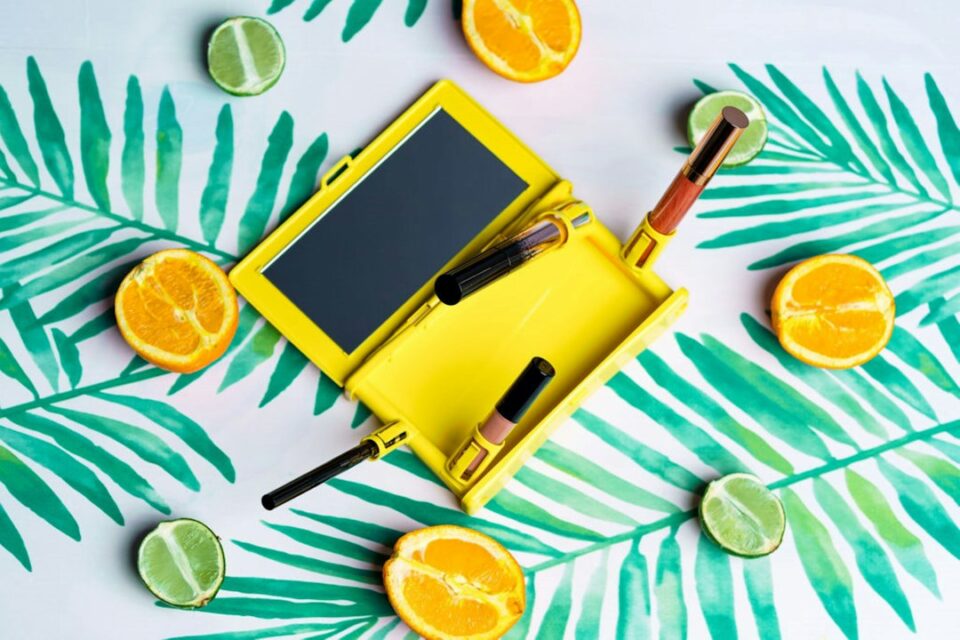
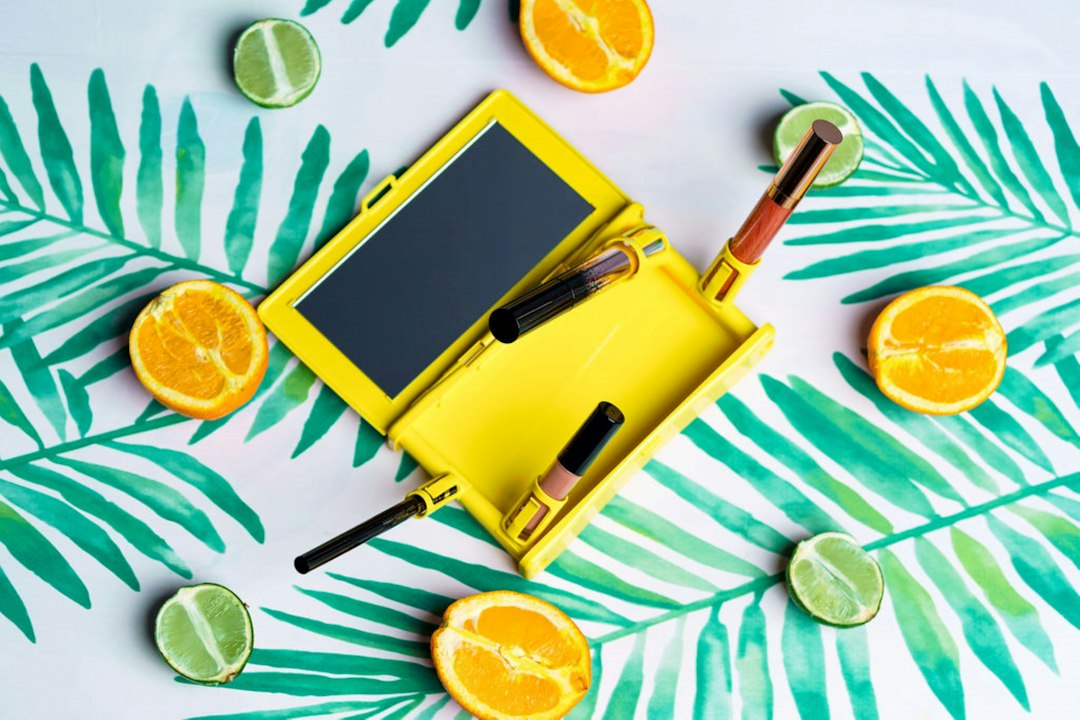
Toiletries often expand to fill space. Resist that by decanting and by choosing multi-use products. A 10–15 mL jar of moisturizer lasts longer than you think, especially if you focus on nighttime application and use a lighter lotion during the day. A tiny bottle of face wash can double as body wash for short trips. A bar shampoo paired with a small tube of conditioner removes two liquids from your bag. If you prefer makeup, pick a small, coordinated set: a tiny palette or stick you can apply with clean fingers, a mini mascara, and one lip product that also works as a blush.
Store everything by function in a single zip kit that hangs or stands on a counter. Keep a separate, transparent liquids bag ready to pull out at security; when you leave the airport, slip it back inside the main kit so you don’t lose it. Refill and reset your kit after each trip so packing next time takes two minutes. If you travel frequently, keep duplicates of toothbrush, toothpaste, razor, and a comb only for travel—no more last-minute scrambling from your bathroom shelf.
Personal item strategy and in‑flight comfort
Your personal item is mission control: it holds the things you need at your seat and anything fragile or valuable. A slim backpack or under‑seat tote with a structured base keeps everything reachable. Create a small “seat pocket kit” that moves from bag to seat: phone, headphones, lip balm, a pen, a small snack, disinfectant wipes, and a light layer. When you board, take out the kit and your water bottle and stow the bag. You’ll settle in faster and avoid rummaging mid‑flight.
Dress for the plane like it’s a microclimate: breathable layers, comfortable waistbands, and socks you can kick off in your seat. Even in summer, cabins can be cool; that’s why a thin sweater or scarf earns its space. For long flights, a neck pillow that compresses small can be worth it. If you’re sensitive to dry air, pack a tiny tube of moisturizer and a nasal saline spray; both are allowed in small sizes. Bring a book or download shows and playlists before takeoff so turbulence or spotty Wi‑Fi doesn’t block your plans.
Documents, money, and safety—simple systems that work
Make digital and paper backups of what matters. Photograph your passport ID page and store it in a secure notes app; email a copy to yourself and a trusted contact. Write down emergency numbers and your accommodation address on a small card and keep it in your wallet. If you’re using cards abroad, notify your bank in advance if they require it, and enable transaction alerts. Bring one backup card stored separately from your primary wallet—if one goes missing, you won’t be stranded. As for cash, carry a small amount for tips, markets, and taxis, and withdraw more locally as needed.
Use your bag’s built‑in security quietly: lockable zippers, interior pockets, and a money belt on crowded transit if it helps you relax. Don’t display large wads of cash or an open passport on busy sidewalks. When you sit down at a cafe, loop your bag strap around your leg or chair back. Before you leave a place, do the three‑point check: phone, wallet, passport. Building that habit means you will notice a missing item at the door, not five hours later.
Laundry on the road: clean clothes without the bulk
Laundry is the lever that makes carry-on work for long trips. Pack a simple sink kit: a small bottle of concentrated soap, a universal sink stopper (many hotel sinks don’t seal well), and a thin clothesline or a few travel clips. Wash a set of underwear and socks every other night. Roll items in a towel and press to remove water, then hang them in moving air. Focus on quick-dry fabrics; cotton takes longer and smells musty if it doesn’t dry fully. If you prefer machines, look up self‑service laundromats or ask your host for the nearest wash‑and‑fold. Many will return clothes the same day.
Plan your outfits around this routine: if you wash on day three, you don’t need seven pairs of anything. A single pair of dark jeans wears multiple times without looking worn. A merino or synthetic top can be aired out between wears. Shoes deserve care too: remove insoles at night so they dry, especially after rain. If your travel style includes hiking or running, rinse those items right after use; leaving sweat in fabric makes it harder to freshen later.
Trip templates you can copy and customize
City weekend (3–4 days)
- Clothing: 2 tops, 1 bottom, 1 light sweater, packable rain jacket, 1 dressy option if needed
- Shoes: comfortable sneakers; optional flats or slip‑ons
- Toiletries: decanted basics + lip balm with SPF
- Tech: phone, charger, small power bank
- Extras: compact umbrella or hat
Beach escape
- Clothing: 2 tops, 1 bottom (linen shorts or skirt), 1 lightweight cover‑up
- Swim: 1–2 swimsuits, rash guard, microfiber towel
- Footwear: sandals that handle walking + flip‑flops
- Sun care: stick or small tube, hat, sunglasses
- Evening: breezy shirt or casual dress
Business trip
- Clothing: 2 dress shirts or blouses, 1 versatile bottom, 1 blazer or structured cardigan
- Footwear: polished yet walkable shoes
- Tech: laptop or tablet only if needed; cables organized
- Accessories: belt, minimal jewelry, lint roller sheet pack
- Documents: presentations and boarding passes offline
Hiking day trips from a base
- Clothing: athletic top, running shorts or tights, light insulating layer
- Footwear: trail‑capable shoes
- Day pack: 1–2 L water, snacks, small first‑aid basics, sun care
- Extras: headlamp or phone flashlight, map offline
Use these as starting points and swap pieces according to season and local norms. Keep the overall volume the same even as the details change; that’s how you keep your bag small without sacrificing comfort.
Common mistakes (and easy fixes)
Overpacking shoes: A second pair is fine if it fills a different role. A third often rides along unused. Choose a main pair that looks good with all your clothes and can handle long days on your feet.
Bulky fabrics: Cotton hoodies and heavy denim eat space. Swap to a thin merino or fleece layer and a lighter pant that still looks sharp. If you love denim, pick a stretchy, lighter‑weight pair.
“What if” extras: The extra just‑in‑case sweater, the fifth top, the hard‑cover novel—these add weight without adding flexibility. Replace the book with an e‑reader app, and trust your laundry plan to cover the rest.
Too many liquids: Solid versions of soap and shampoo simplify security. Decant everything else and label it. If you need more, restock locally; pharmacies and supermarkets carry travel sizes everywhere.
Unplanned laundry: Without a wash plan, you’ll overpack. Set a simple rhythm (every other night for underwear and socks, one mid‑trip machine wash). Put a calendar reminder if it helps.
Chaotic organization: Give each category a home: tops cube, bottoms cube, smalls cube, cords pouch, liquids bag. When you repack, everything goes back to its home in under five minutes.
Ignoring airline fine print: Some fares restrict carry‑on size or weight. Check before you book, and choose fares that match how you travel. Soft‑sided bags pass size sizers more easily than hard shells.
How to run a post‑trip audit that makes the next trip easier
After each journey, spend five minutes auditing your kit. Empty your bag onto a table, group items by category, and ask two questions: what did I use every day, and what never left the cube? Anything you didn’t touch becomes a candidate for removal or replacement next time. Note where you ran short (socks, sunscreen, charging cables) and refill immediately. This habit refines your personal carry‑on packing list into a precise system for the way you travel. The list gets smaller, the bag gets lighter, and packing becomes a quick reset instead of a project.
Travel rewards those who adapt. Start with the essentials in this guide, adjust for your destination, and trust the process. The lighter you pack, the more attention you can spend on the reasons you went in the first place.